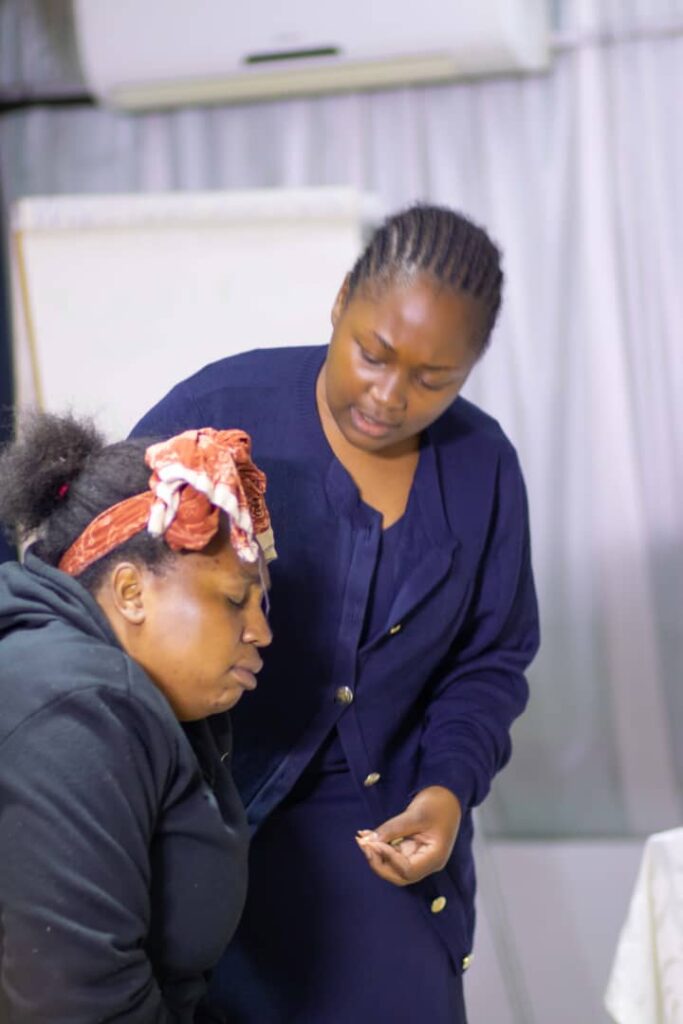
My Age Zimbabwe Trust recently concluded a highly impactful theatre training program centered on the fusion of performance art with Sexual and Reproductive Health and Rights (SRHR) advocacy. This intensive four-day workshop brought together a cohort of dedicated trainees, providing them with both practical theatrical skills and a deepened understanding of SRHR issues. The objective was to transform creative expression into a potent tool for advocacy, specifically aimed at adolescents and young people.
The training curriculum encompassed various facets of theatre performance, with a focus on essential elements such as effective voice projection, expressive body language, conveying emotions through performance, scriptwriting techniques, and nuanced script reading. Participants received guidance on translating written scripts into compelling performances, ensuring their creative endeavors could entertain and, crucially, influence attitudes and behaviors within their respective communities.
In parallel with performance skill development, the workshop integrated comprehensive SRHR training, equipping participants with the facilitation skills necessary to utilize the STEPS facilitation toolkit effectively. Emphasis was placed on advocacy strategies for behavioral change, improving access to SRHR services for adolescents and young people, and gaining insight into the challenges they encounter. By establishing a clear link between theatre and advocacy, trainees learned how to craft performances addressing critical issues such as societal stigma, service accessibility, and the need for youth-friendly health interventions.
The results of the training were significant. Participants demonstrated a marked 35% increase in SRHR knowledge, indicating a substantial enhancement in their capacity to advocate for positive change. Participants lauded the workshop’s highly participatory nature, noting that interactive sessions facilitated a strong connection between theoretical concepts and practical application. Particularly valuable topics included the integration of theatre with SRHR initiatives, the utilization of creative expression to address community challenges, and the design of performances specifically as advocacy tools.
At the training’s conclusion, the four participants collectively pledged to continue developing scripts that convey SRHR advocacy messages and to leverage theatre as a platform to amplify the voices of young people. Their vision includes producing performances suitable for staging in schools, community centers, and local events, to foster dialogue and challenge harmful practices that negatively impact adolescents and young people.
This training has not only refined theatre skills and facilitation abilities but has also strengthened the participants’ roles as youth advocates, empowering them to use art to overcome barriers, challenge prevailing social norms, and promote access to vital SRHR services. It serves as a powerful demonstration that the convergence of creative talent and advocacy knowledge can transform theatre into a medium capable of sparking meaningful conversations and inspiring communities to embrace positive behavioral change.