
Tadiwanashe Mugadza
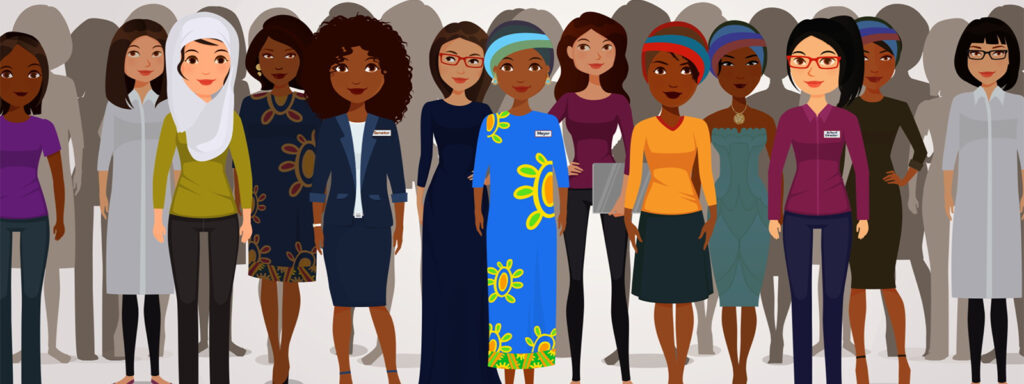
For generations, leadership has been an arena often associated with men. However, across the globe, women are actively redefining leadership paradigms, demonstrating that their involvement is not just valuable but fundamentally transformative. Despite facing cultural biases, structural inequalities, and societal expectations, women are emerging as leaders, proving that leadership is a matter of competence, not gender.
Women in leadership exhibit remarkable resilience. They navigate restricted access to decision-making spaces, address inadequate compensation, and confront persistent stereotypes regarding their leadership capabilities. For instance, women often face disproportionate criticism when balancing familial and professional responsibilities, a scrutiny rarely applied to their male counterparts.
Yet, these obstacles have not deterred women from achieving significant strides. Across diverse sectors, women leaders bring balanced perspectives, emphasizing collaboration, empathy, and sustainable development.
Research indicates that companies with more women in executive positions tend to exhibit stronger financial performance and greater social responsibility. In the political sphere, women frequently champion policies that prioritize social welfare, healthcare, and education, aiming to create benefits for entire communities.
Representation is undeniably crucial. Every woman who ascends to a leadership role challenges outdated stereotypes and inspires younger generations to envision leadership as attainable for themselves. Grassroots initiatives, mentorship programs, and women’s networks are also emerging as powerful mechanisms for nurturing female talent and providing the essential support needed to overcome systemic barriers.
To further dismantle barriers in leadership, a continued commitment to cultivating supportive and inclusive environments is paramount. This necessitates several key measures. First, institutions must actively support female participation in decision-making processes, creating structures where women’s voices are not only heard but genuinely valued.
Second, gender-sensitive policies must be implemented and maintained across workplaces and governments to ensure equitable pay, promotional opportunities, and work-life balance. Educational institutions and the media also bear a responsibility to challenge stereotypes.
Narratives that portray leadership as an exclusively male domain must be replaced with stories that showcase women’s successes and contributions. Third, youth leadership development programs are crucial. Building confidence and skills from a young age can effectively prepare girls for future leadership roles.
Ultimately, women in leadership are not merely breaking barriers; they are fundamentally remaking the system. They demonstrate that when women are empowered to influence, society becomes stronger, more equitable, and more inclusive.
This is a clear call to action, to provide more opportunities, greater support, and increased recognition for women leaders. The objective is not simply to integrate women into an existing model, but to transform that model to reflect the values of equality and progress.