
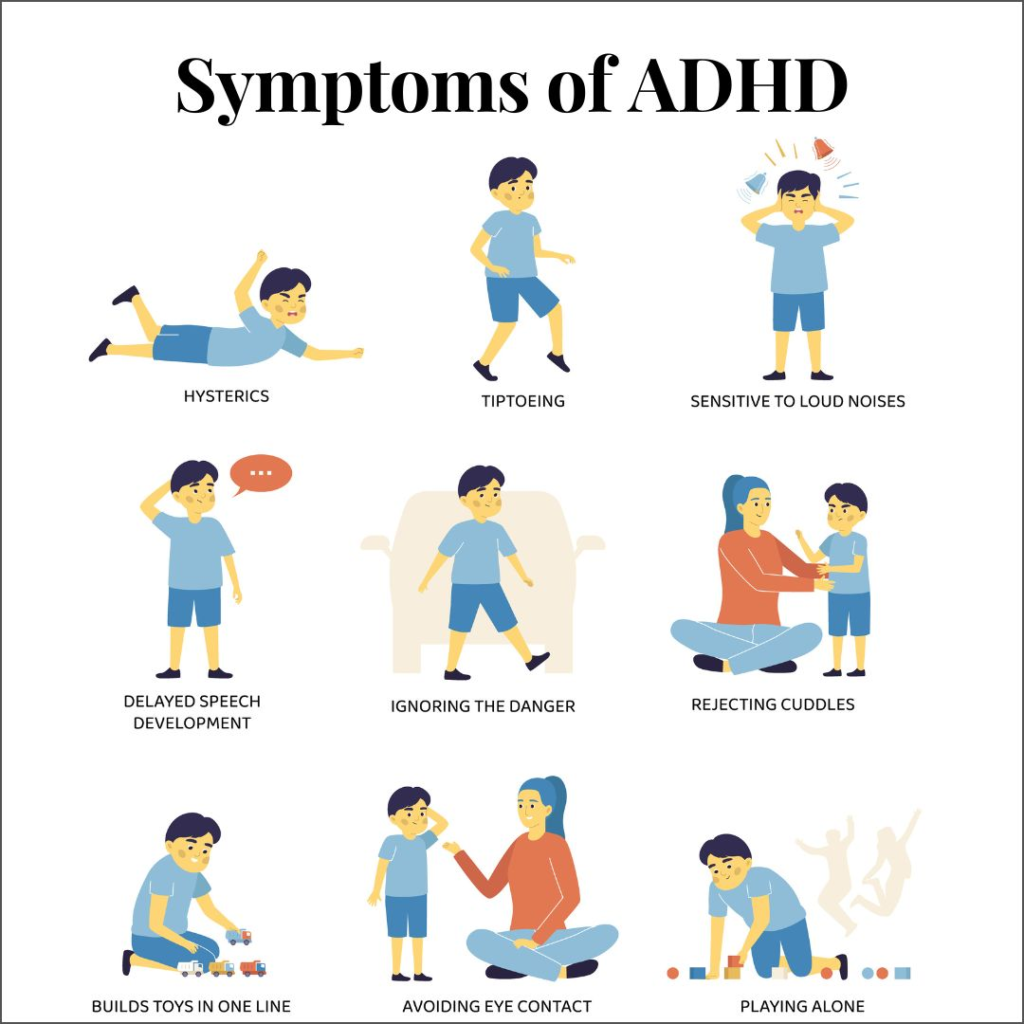
The phrase “I’m so ADHD” has become commonplace in classrooms, online forums, and casual conversation. However, Attention-Deficit/Hyperactivity Disorder is far more than a punchline. It is a recognized neurodevelopmental condition characterized by persistent challenges in attention regulation, impulse control, planning, time perception, and emotional regulation. These are not occasional quirks, but rather consistent struggles that significantly impact daily life.
The experience of ADHD is not simply about being occasionally distracted. It can manifest as a feeling of being mentally stuck even when confronted with important tasks. Individuals with ADHD often possess a genuine desire to succeed, yet struggle with executive functioning in ways that are neurological in origin, not a result of laziness or lack of willpower.
The chronic challenges associated with ADHD can have a profound impact on mental well-being. The constant stress of feeling perpetually behind can contribute to anxiety. Years of being mislabeled as lazy or careless can foster feelings of shame and depression. Emotional dysregulation can amplify the impact of setbacks, and time blindness can lead to the unintentional neglect of responsibilities, despite sincere effort. These are not mere personality traits or fleeting trends, but rather deeply ingrained patterns that, without proper support, can become significant psychological burdens.
While increased awareness of ADHD is beneficial, it is crucial that this awareness is responsible and informed. Identifying with a few symptoms highlighted in a short online video does not equate to a formal diagnosis. When ADHD is reduced to slang, the experiences of those who genuinely live with the condition are often minimized and trivialized. True awareness involves recognizing ADHD as a neurological condition, encouraging individuals to seek professional guidance, and replacing flippancy with genuine support. Behind every casual “I’m so ADHD,” there may be someone silently grappling with the realities of this disorder, and they deserve understanding, not belittlement.
Managing ADHD effectively begins with removing the stigma and shame associated with the condition. Key steps include:
- Seeking Proper Assessment: Consulting a qualified professional can pave the way for appropriate interventions, such as therapy, coaching, or medication.
- Implementing Practical Strategies: Techniques like breaking down tasks into smaller, manageable steps, utilizing timers and visual reminders, establishing structured routines, and creating accountability systems can help reduce feelings of overwhelm.
- Prioritizing Emotional Support: Addressing anxiety or depression early, learning emotional regulation skills, and cultivating a support network of understanding individuals who recognize that ADHD is not a character flaw are all essential.
With the right tools, strategies, and support system in place, ADHD is manageable, and individuals living with it can thrive, rather than simply cope.