
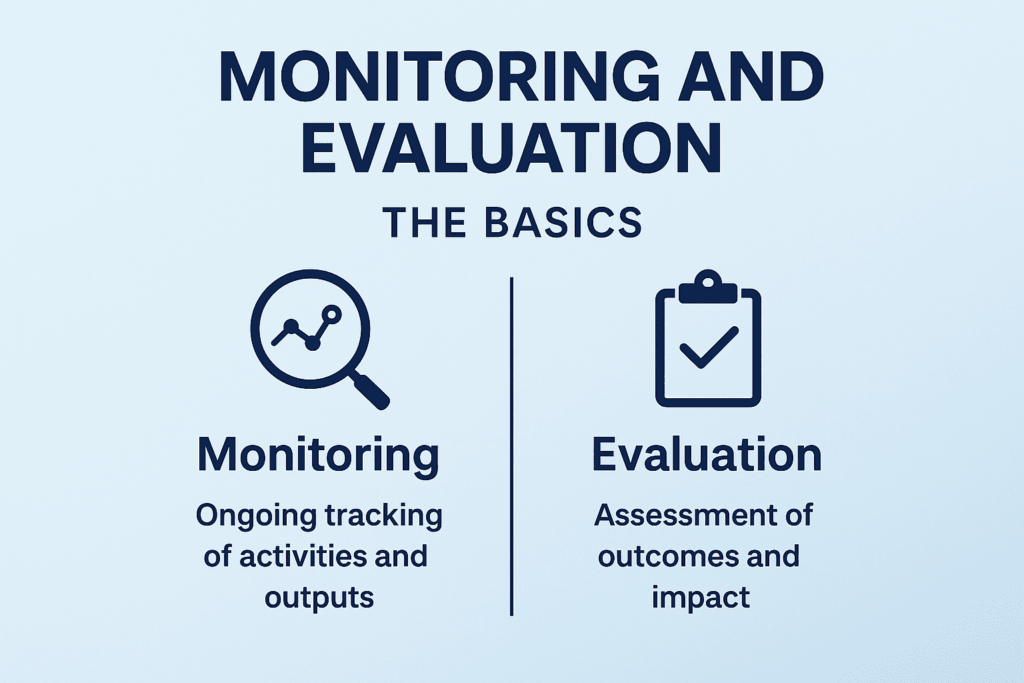
From a Monitoring and Evaluation (M&E) perspective, the implementation of community-based interventions reveals that continuous monitoring and feedback loops are critical for understanding both the effectiveness and relevance of activities.
Real-time observations, participant feedback, and community reflections enable the identification of gaps, measurement of changes in knowledge, attitudes, and behaviors, and adjustment of programming to better meet local needs.
Participatory methods, such as storytelling, theater, and dialogue sessions, generate valuable qualitative data that complements quantitative indicators. These approaches provide insight into social norms, community perceptions, and barriers that numbers alone cannot capture, facilitating more informed decision-making.
Consistent engagement of stakeholders throughout the activity cycle, including youth, local leaders, and civil society organizations (CSOs), enhances accountability and provides multiple perspectives for validating findings. This strengthens data quality and increases the likelihood that program adaptations are embraced by the community.
Documenting lessons and linking observations to actionable recommendations ensures that M&E serves as a tool for learning, scaling, and sustaining impact. Programs that integrate monitoring into planning, implementation, and reflection cycles are better positioned to achieve meaningful change and demonstrate outcomes over time.