
Veeslee Mhepo
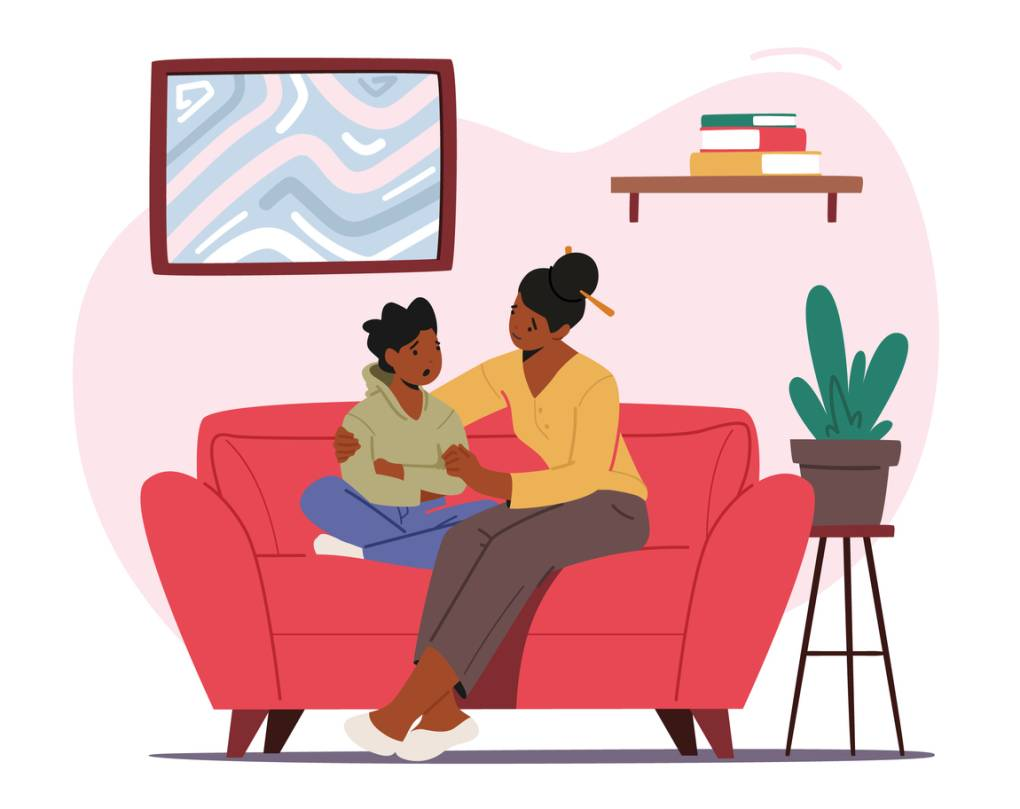
Child-to-parent communication is one of the most important and most difficult conversations in any family. It is shaped by age gaps, cultural expectations, and generations raised in very different worlds. While love may be present, understanding often feels out of reach.
In many homes, conversations between children and parents are not flowing dialogues, but instructions, warnings, or silence. This is not always because parents do not care but because they are parenting the only way they know how.
The Weight of Culture and “Respect”
In many cultures, especially across African families, respect is not negotiated it is demanded. Children are taught to listen, not to question. To obey, not to explain. From a parent’s perspective, this makes sense. They were raised to believe that authority keeps children safe, disciplined, and on the right path.
Many parents themselves grew up in environments where emotional expression was limited and vulnerability was discouraged. Communication was hierarchical: elders spoke, children listened. Love was shown through provision and protection, not conversation.
But times have changed and children have changed with them.
Growing Up in a Different World
Today’s children are navigating a world their parents never experienced. Digital spaces, social pressure, mental health challenges, and rapidly shifting norms have reshaped how young people see themselves and the world. Yet many parents are still using tools from a past generation to raise children living in the present.
This gap creates frustration on both sides. Parents feel disrespected when children speak up. Children feel unheard when their emotions are dismissed. What begins as discipline slowly turns into distance.
Respect Should Be Mutual
While it is true that parents deserve respect for their role, sacrifices, and wisdom, respect should not be one-sided. Children also deserve to be heard, understood, and respected as human beings with feelings, fears, and opinions.
Respect is not weakened by listening. Authority is not lost through empathy. In fact, when parents earn respect through trust, openness, and consistency, communication becomes easier and relationships grow stronger.
When Communication Breaks Down
Many parents say, “I don’t understand my child anymore.” Many children say, “My parents don’t know me at all.” This is where silence takes root.
Some parents have physically present children but emotionally absent relationships. Others have completely lost connection children who no longer share, no longer ask, no longer feel safe to speak. In the worst cases, parents only realize the depth of the disconnection when something goes wrong.
Communication does not fail overnight. It fades slowly, every time a child’s voice is ignored, mocked, or punished.
Relearning How to Talk to Each Other
Healthy child–parent communication does not mean removing boundaries or discipline. It means creating space for conversation without fear. It means parents being willing to unlearn some practices and children being encouraged to express themselves respectfully.
Parents do not need to have all the answers. Sometimes, what children need most is to be listened to not corrected, not judged, just heard.
Bridging the Gap
Healing the communication gap requires effort from both sides, but it begins with adults. Parents set the tone. When parents choose dialogue over dominance, curiosity over control, they open doors instead of closing them.
Children who feel heard are more likely to listen. Children who feel respected are more likely to be respected in return.
Parenting is not easy. Neither is growing up. But silence should not be the price of authority, and fear should not be the foundation of respect.
If we want to raise emotionally healthy children, we must learn to talk to them not just at them. Because when communication is lost, relationships are often lost too.
And sometimes, the hardest conversations are the ones that matter most.