
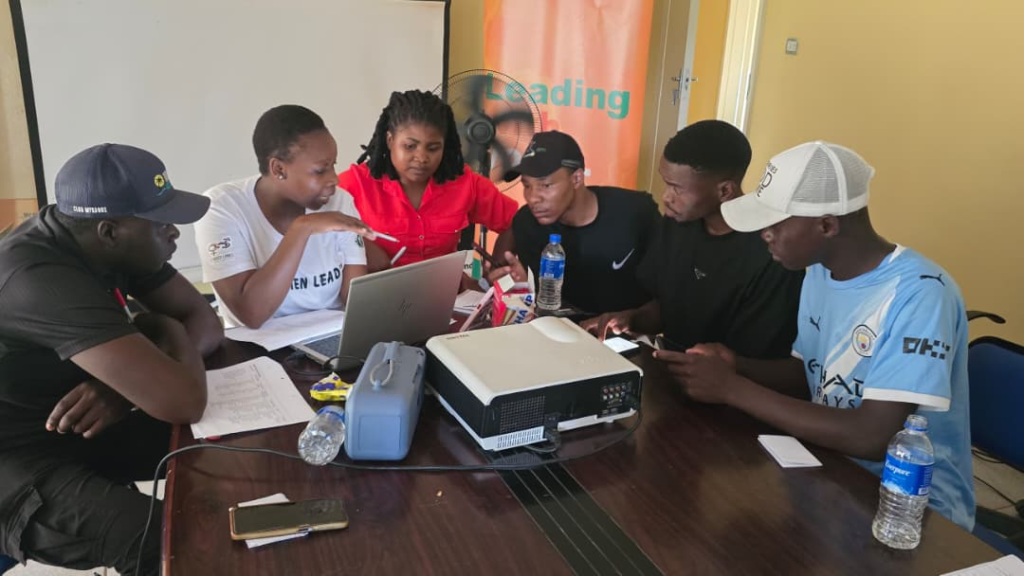
A recent series of discussions in Masvingo City brought together youth, city council representatives, and the Friendship Bench organisation to explore the interconnected challenges of climate change, sexual and reproductive health and rights (SRHR), and mental health. The sessions revealed a complex web of issues impacting communities, particularly young people, and highlighted the urgent need for integrated solutions.
The discussions underscored how environmental stressors, such as water scarcity and flooding, exacerbate existing vulnerabilities and contribute to increased stress and anxiety. “Evermore’s Story,” shared during the sessions, poignantly illustrated the silent burden climate change places on mental well-being, especially for young girls. This narrative resonated deeply with participants, emphasising the often-overlooked psychological consequences of environmental degradation.
While acknowledging disparities between urban and rural areas in resource access, participants recognised that climate change impacts all communities. Women and girls were identified as disproportionately affected, particularly concerning menstrual health management in resource-scarce environments.
Despite the challenges, the sessions revealed a proactive spirit among young people. Participants proposed tangible interventions, including tree-planting initiatives, comprehensive waste management strategies, water conservation techniques, and active involvement in national clean-up campaigns.
A significant outcome of the engagement was the commitment to establish the “My Age Youth Action Team”. This youth-led initiative will collaborate with the Masvingo City Council to spearhead local climate action. Furthermore, the Friendship Bench’s administration of the Shona Symptom Questionnaire (SSQ) emphasised the critical need to integrate mental health support into climate and SRHR programmes.
The discussions clearly demonstrated that climate change is not solely an environmental issue. It is a cross-cutting challenge with profound implications for health, livelihoods, and overall societal well-being. While young people are eager to drive change, they require structured support, targeted skills development, and strengthened collaborative partnerships to translate their ideas into sustainable and impactful action.
Challenges such as limited resources, knowledge gaps, and uneven participation were acknowledged. However, the engagements highlighted the intrinsic value of inclusive, community-driven approaches. S
trengthening collaboration between youth, community leaders, and stakeholders emerged as a crucial factor for achieving lasting and meaningful change in the face of climate change and its associated challenges.