
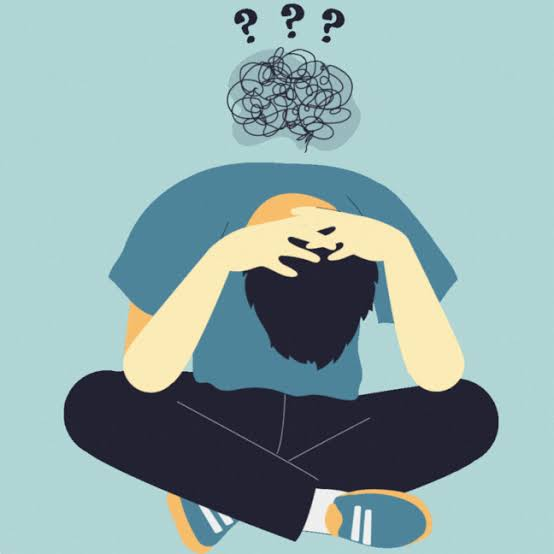
There’s a silent burden many men carry, a sentence swallowed a thousand times: “I am not okay.” This unspoken truth often lies heavy at the back of the throat, especially in communities like ours in Zimbabwe, where boys are traditionally raised on a strict diet of strength. “Don’t cry. Be tough. Provide. Protect. Handle it.” These values, while inherently good, have subtly hardened into a wall, separating men from their inner lives, a wall that, for too many, has become a prison.
Globally, men face significantly higher rates of suicide than women. They are less inclined to seek therapy, less likely to articulate their emotions, and more prone to destructive coping mechanisms like alcohol, isolation, or aggression, long before uttering the words, “I need help.” This isn’t strength; it’s a crisis lurking in plain sight.
So, how do we begin to dismantle this wall?
We start small. Mental health conversations don’t always need to commence on a therapist’s couch. They can blossom during a commute, around a fire, or after church. They can begin with a single, honest sentence shared with someone trustworthy:
“I’ve been struggling lately.” “I haven’t been myself.” “Can we talk?”
These aren’t confessions of weakness; they are acts of immense courage in a world that has spent decades instructing men that feelings are a solitary burden.
To families and communities reading this, your role is equally vital. Check in on the men in your lives. Go beyond a cursory “how are you?” and genuinely inquire. Foster environments where the response can be something other than a reflexive “I’m fine.”
This month, and in every month that follows, let us strive to make the uncomfortable, comfortable.
Because a man who can voice his pain is not broken; he is brave. And he unequivocally deserves to be heard.
“Real men feel. Real men heal.”