The casual use of certain phrases can often mask deeper, more unsettling societal issues. One such phrase that has recently gained traction, “titambidzei beans” (meaning “just give me the sex!”), warrants critical examination. While seemingly humorous on the surface, its underlying implications expose a problematic mindset of entitlement, power imbalances, and the objectification of women’s bodies.
This phrase reflects a perspective where sex is not perceived as a mutual and consensual act, but rather as an expected offering. While it might be presented playfully, it inherently assumes that access to a woman’s body is readily available upon request, often without considering potential consequences or the woman’s own desires.
The potential for coercion is amplified when this phrase is used in environments where power dynamics are skewed. For young women in professional, academic, or even social settings where men hold positions of authority, “titambidzei beans” transcends mere jest and morphs into a form of pressure. The ability to refuse becomes complicated when one’s opportunities or environment are influenced by the person making the demand. Saying “no” can feel risky, blurring the lines between choice and obligation.
Furthermore, the notion that unmarried women are somehow more accessible perpetuates a dangerous myth. The absence of a husband should not imply a diminished sense of autonomy or weaker personal boundaries. A woman’s right to self-determination should not be contingent upon her relationship status. Her boundaries are valid regardless of whether she is “protected” by a man.
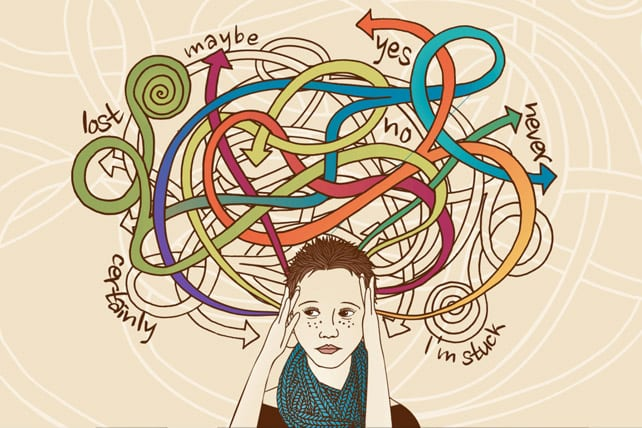
The constant exposure to environments where one’s body is perceived as a commodity, open to comment, request, or expectation, can have significant psychological consequences. It can lead to anxiety, hyper-awareness, and a perpetual state of guardedness, resulting in emotional exhaustion. The reduction of a woman to her physical attributes also erodes self-worth, potentially leading to feelings of pressure to comply in order to avoid conflict or negative repercussions. This, in turn, can cause internal stress, discomfort, and even emotional withdrawal.
The phrase “titambidzei beans” is not harmless. It normalises entitlement and perpetuates a culture where personal boundaries are continuously challenged. If we are genuinely committed to safeguarding the mental health and well-being of young women, we must confront not only the behaviour itself but also the language that makes it seem acceptable.
Ultimately, no one is obligated to grant access to their body to anyone. No one should have to bear the mental burden of navigating entitlement disguised as humour. What may appear as a light-hearted joke can have profound and damaging consequences. It is imperative to foster a culture of respect, consent, and genuine understanding of personal boundaries.