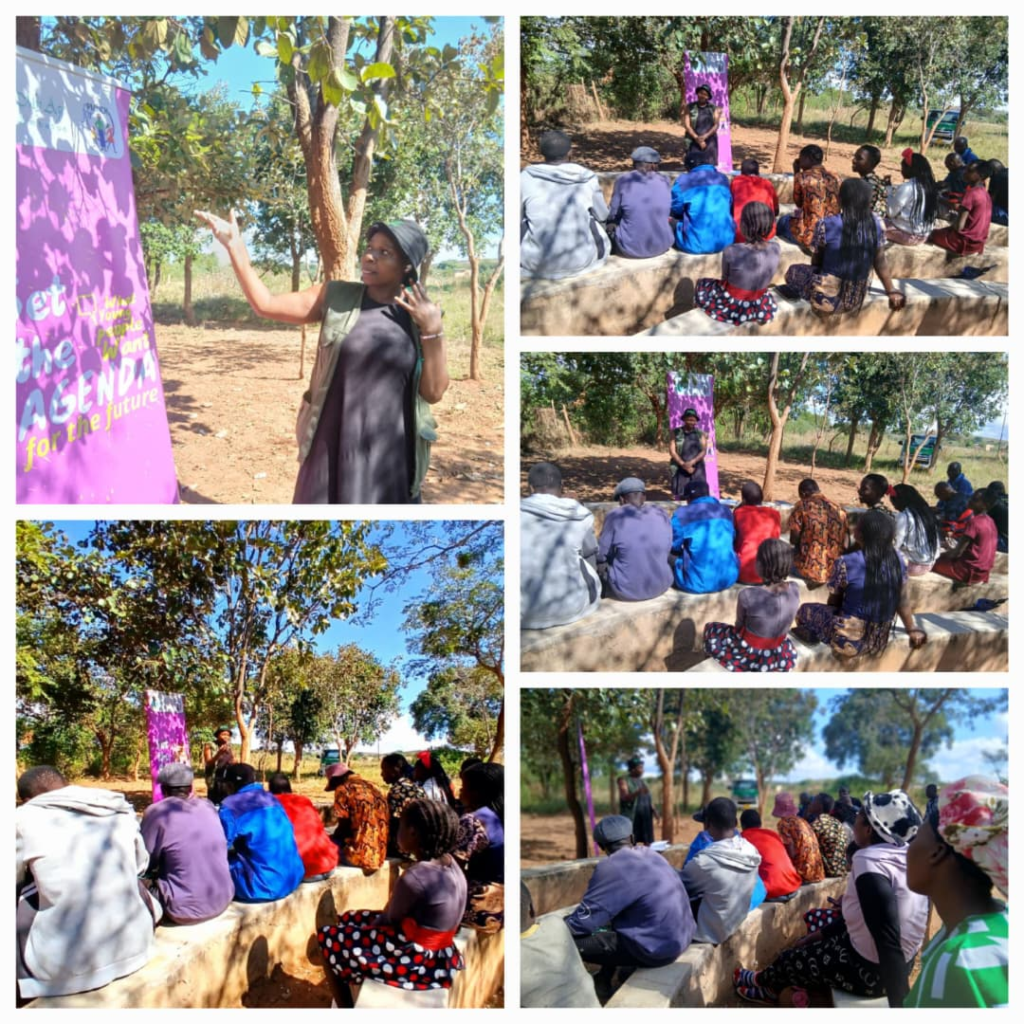
My Age Africa is proud to be participating in the targeted one-on-one mentorship sessions facilitated by the STEPS team as part of preparations for Year 3 implementation of the project. These engagements are designed to strengthen the capacity of regional partners and facilitators, equipping them with the knowledge, confidence, and practical skills needed to effectively lead film screening sessions and community dialogues throughout the implementation year.
As the STEPS project embarks on its third year, the mentorship sessions have provided a valuable platform for reflection, learning, and the exchange of experiences among partners working at the community level. Discussions focused on enhancing facilitation techniques, strengthening communication skills, and ensuring facilitators are well-prepared to navigate sensitive conversations in diverse community settings. Particular emphasis was placed on creating safe, inclusive, and engaging spaces that encourage meaningful dialogue and active participation.
Given the STEPS project’s focus on the intersection of climate change and sexual and reproductive health and rights (SRHR), particularly menstruation and menstrual health, the sessions also explored how climate-related challenges continue to affect access to SRHR information, services, dignity, and overall well-being. These challenges disproportionately impact young women and girls in underserved communities. Facilitators received practical guidance on addressing stigma, countering misinformation, challenging harmful social norms, and promoting community awareness and resilience.
Beyond strengthening technical skills, the mentorship sessions have played a critical role in fostering stronger collaboration and coordination between the STEPS team and its regional partners. This collaborative approach promotes a shared understanding of project objectives and supports consistent, high-quality implementation across all participating countries.
Through these enriching engagements, My Age Africa and fellow partners are better positioned to facilitate impactful, community-centred discussions that drive awareness, advocacy, and positive behavioural change around climate change and SRHR issues.
As Year 3 implementation begins, the strengthened capacity of facilitators is expected to contribute to more effective community outreach, deeper engagement, and improved SRHR outcomes for the communities served. Through continued partnership and learning, the STEPS project is building a network of informed and empowered change-makers committed to advancing climate justice, menstrual health, and sexual and reproductive health rights at the grassroots level.