
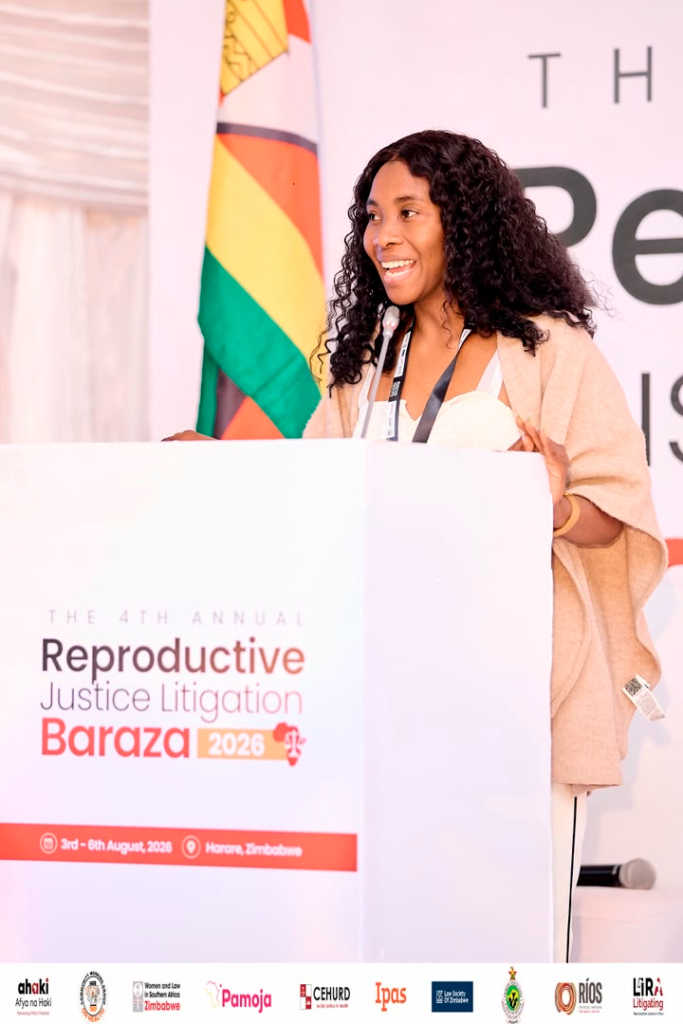
At the 4th Reproductive Justice Litigation Baraza, convened this year under the theme “Age as a Determinant of Sexual Reproductive Health and Rights”, Wadzanai Dzimwasha of My Age Africa used her panel slot to put a name to a group she says African SRHR frameworks routinely overlook: adolescents, failed by the very consent laws meant to protect them.
Dzimwasha’s central argument was blunt. Age, she told the Harare gathering, does not just shape access to sexual and reproductive health services; it actively blocks it, and nowhere more perversely than for adolescents who have been sexually abused by a parent or guardian. Under consent regimes that require parental or guardian sign-off for care, she noted, survivors are effectively asked to bring their abuser back into the room to unlock the very services HIV testing, post-exposure prophylaxis, counselling that should protect them.
She also challenged the “traditional bias” that meets young people who simply want information about their own bodies, describing how curiosity about sexual and reproductive health is routinely relabelled as rebellion rather than recognised as a legitimate health need.
A third case Dzimwasha raised was a young person living with HIV who cannot access antiretroviral treatment because parents, citing strong religious conviction, distrust “Western medicine” and withhold consent, leaving the adolescent’s health outcome hostage to belief rather than clinical need.
Taken together, she argued, these are not edge cases but a pattern: safeguarding measures designed to shield minors instead become the hindrance that keeps them from care, producing what she called SRHR’s “forgotten victims”.
Her panel adds a sharp, case-based voice to the Baraza’s broader push echoed across this year’s convening for legal frameworks that treat adolescents’ reproductive rights as inseparable from personhood, not contingent on parental gatekeeping.