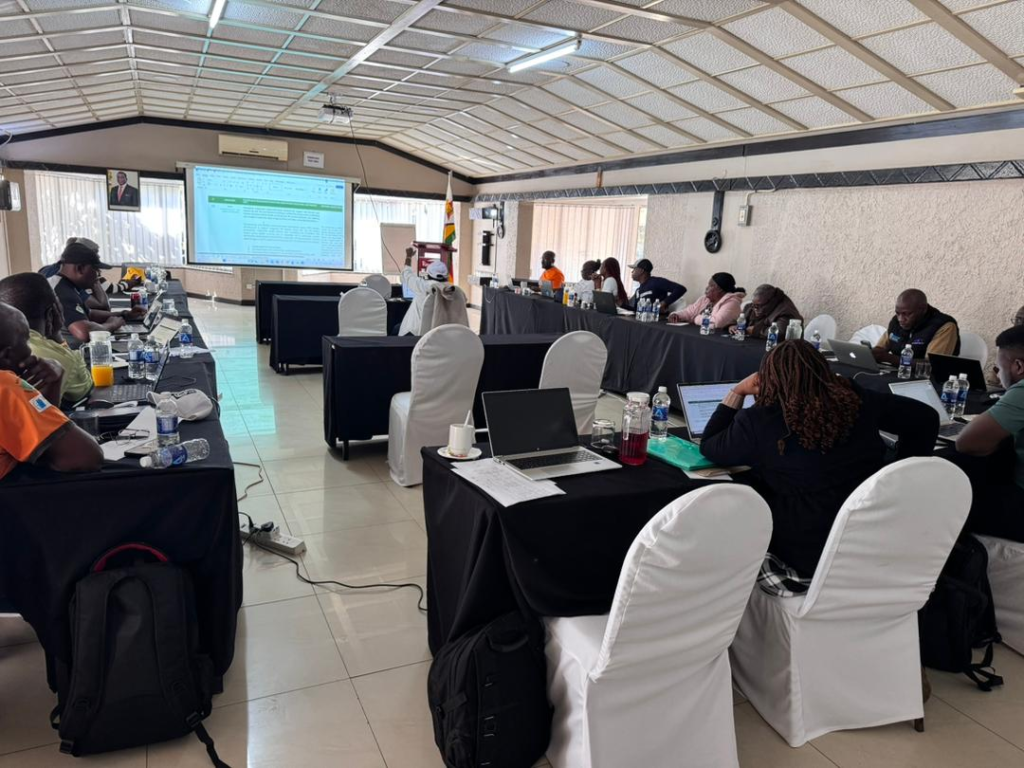
June 2026 marked a pivotal moment for HIV advocacy in Zimbabwe as civil society organizations (CSOs) collaboratively shaped the nation’s critical health financing opportunities. Through unified leadership, technical expertise, and persistent advocacy, My Age Africa played a crucial role in enhancing the development, validation, prioritization, and costing of the Global Fund Grant Cycle 8 (GC8) Civil Society Priority Charter.
This concerted effort ensured that evidence-based HIV prevention remained central to Zimbabwe’s national funding request.The Global Fund investment process offers Zimbabwe a vital opportunity to secure resources for its national HIV, tuberculosis, and malaria responses over the next three years. Integrating community priorities into funding decisions is paramount to delivering equitable, people-centered health services. Recognizing this, My Age Africa spearheaded strategic interventions to bolster both the technical quality and legitimacy of civil society contributions.
The month commenced with the formation of a multidisciplinary technical backup team, comprising experts in HIV, tuberculosis, malaria, community systems strengthening, and monitoring and evaluation.
This team provided specialised technical support throughout the proposal development, strengthening epidemiological analysis, prioritisation, costing, and results framework development, all while ensuring prevention investments were evidence-driven and strategically aligned.My Age Africa also facilitated the active participation of the Country Coordinating Mechanism (CCM) Youth Representative and Key Population Representative in the national writing process.
Their involvement ensured that the lived experiences of communities most affected by HIV informed discussions and safeguarded critical prevention priorities within the evolving funding request. These community representatives consistently advocated for interventions tailored to Zimbabwe’s epidemic profile and promoting equitable access to services for adolescent girls and young women, key populations, and other vulnerable groups.A significant achievement in June was the successful convening of the National Civil Society Priority Charter Validation Meeting. Critically, participants validated HIV prevention as a national investment priority, reinforcing the importance of community-led prevention programming, integrated sexual and reproductive health and HIV services, HIV self-testing, youth-friendly service delivery, and expanded access to oral PrEP, long-acting injectable cabotegravir (CAB-LA), and lenacapavir (LEN).
Following validation, My Age Africa coordinated the costing of the Civil Society Priority Charter, translating strategic recommendations into realistic investment proposals aligned with Global Fund guidance and Zimbabwe’s epidemic control objectives. This exercise fortified the investment case for HIV prevention by connecting community priorities with evidence-based resource requirements and implementation frameworks.
The successes achieved in June were underpinned by robust collaboration across civil society. Partnerships with organizations including Pangaea Zimbabwe, FACT Zimbabwe, Zimbabwe AIDS Network (ZAN), NANGO, Advocacy Core Team, GALS, TrasSmart, SRC, ZICHIRE, Access Taskforce, and other community stakeholders fostered an environment conducive to consensus-building, technical collaboration, and coordinated advocacy.
Leveraging partner expertise, venues, and technical resources enabled effective execution of activities despite resource constraints, thereby strengthening collective ownership of the advocacy process.Beyond influencing a single funding request, these achievements contribute to broader systemic changes within Zimbabwe’s Sexual and Reproductive Health and Rights (SRHR) and HIV landscape.