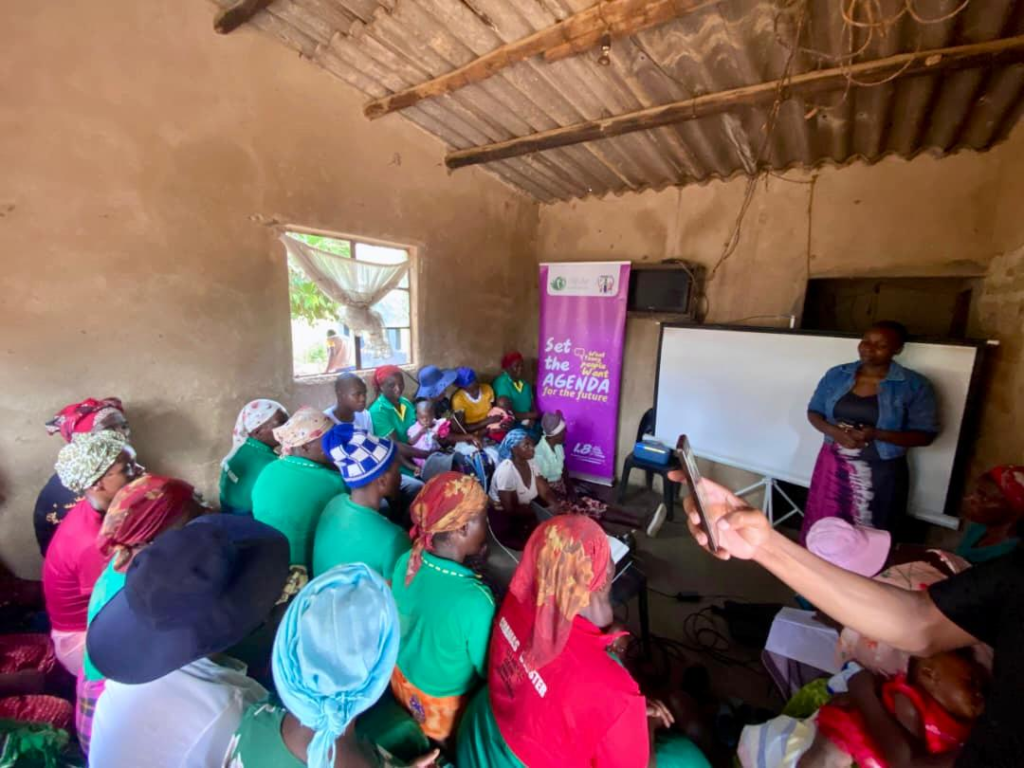
My Age Africa conducted ten screenings across communities, including Bikita, Guwa, Zimuto, and Victoria Ranch, engaging a total of 566 participants. These discussions highlighted the growing impact of climate change on sexual and reproductive health and rights (SRHR), with a specific focus on menstrual health.
The challenges are significant. Droughts, heatwaves, and unpredictable rainfall exacerbate existing difficulties in accessing water and sanitation, which directly impacts the ability of girls and women to manage menstruation safely and with dignity.
The economic hardships arising from climate-driven disruptions to agriculture and mining further restrict access to essential menstrual products, often leaving individuals with no option but to rely on inadequate and potentially unhygienic alternatives.
Furthermore, persistent stigma and cultural taboos surrounding menstruation continue to impede open communication and access to information.
Many girls reach menarche unprepared due to limited parent-child communication and inconsistent comprehensive sexuality education. This vulnerability is amplified for orphans and young women with disabilities, who are at increased risk of absenteeism from school, early marriage, and other forms of exploitation.
Despite these hurdles, the screenings revealed a strong sense of community ownership and a commitment to finding solutions. Participants identified practical, community-driven actions, including strengthening male engagement platforms, promoting the use of reusable menstrual products, improving hygiene awareness, advocating for improved water access, and integrating climate-resilient practices into daily life. There was also widespread recognition that menstrual health is a shared responsibility, requiring the active involvement of parents, community leaders, and relevant institutions.
The screenings highlighted the necessity of integrating traditional knowledge with modern approaches, focusing on education, sustainable livelihoods, and environmental protection.
By combining these elements, communities can build resilience and ensure that girls and women can manage their menstruation safely, with dignity, even in the face of a climate-stressed world. The initiative in Masvingo serves as a powerful example of how young people can lead the way in addressing complex challenges and building a more sustainable and equitable future.